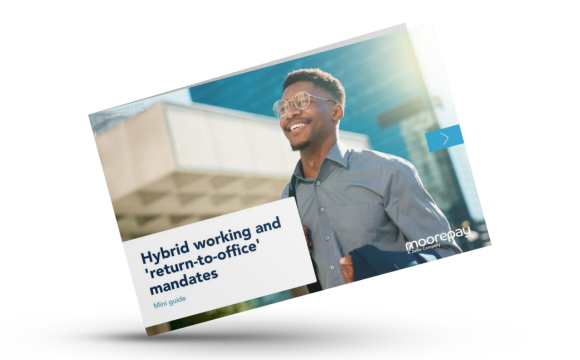
Why you need this mini guide
The return-to-office debate has reignited over the past year, with some big-name employers calling staff back to the workplace. For many employees who’ve built their lives around flexible work, that shift can be difficult. And for HR, it raises new questions about how to balance business needs with employee expectations.
Both sides have valid benefits. Office working can boost collaboration, culture and connection, while homeworking saves time, supports carers and widens your talent pool. But when flexibility is rolled back too far, retention and engagement can take a hit. In fact, CIPD research shows that more than a million UK workers have changed jobs in recent years because they lacked flexibility or felt pressured to spend more time in the office.
That’s where this guide comes in. It explores how employers can preserve the positives of flexibility while strengthening performance, communication and team cohesion.
Why getting it right matters
Flexibility has become a defining feature of modern work. Rolling it back without a clear strategy risks creating frustration, unhealthy turnover and even reputational damage. But maintaining it successfully requires balance between trust and accountability, autonomy and collaboration, and home and office.
When you get that balance right, the results speak for themselves. Employees who feel trusted to choose how and where they work are more likely to stay motivated and loyal to your organisation.
This guide will help you find that balance, so you can support your people, protect your culture and make flexibility work for everyone.