What running a small business taught me about managing people

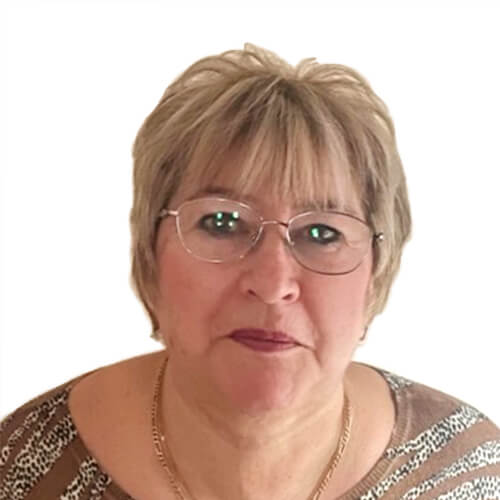
We sat down with Elaine Pritchard, one of our expert policy consultants here at Moorepay, to talk about her experience managing people as a small business owner. From hiring challenges to difficult conversations, her experience of running her own bridal shop – alongside a career in HR – offers a candid look at the realities many small business owners face.
Having been directly responsible for both people and the performance of a business, Elaine brings a unique perspective shaped by experience on both sides – advising employers as a consultant and making those decisions herself as an owner.
Here, she shares what experiencing both sides has taught her about people management, trust, and getting the tough decisions right.
What was it like being responsible for managing people in your own business?
Being in charge of people is very different when it’s your own business. I knew the fundamentals of HR, but dealing with people directly felt risky. It was a bit scary at first. You’re no longer advising someone else – you’re making decisions that directly impact your business and the people in it.
You quickly realise that people management comes down to good judgement, a bit of confidence, and taking responsibility when something goes wrong.
What were the biggest challenges you faced when recruiting staff?
You look at CVs and think, that sounds good, but is it true? I was very wary because some things didn’t quite ring true at times, but I didn’t feel confident challenging it.
I took someone on who was absolutely great to start off with. But over time, issues started to come up that showed a clear breach of trust, particularly around how stock was being handled. When I raised the issue, the employee denied it, despite there being clear evidence that something wasn’t right.
What that really taught me is that you can’t just take things at face value. Even if someone seems right at the start, you still need to question things and be confident in your judgement.
I should have also checked their references more thoroughly. At the time, I assumed everything in front of me was accurate, but that experience showed me how important it is to have proper checks in place. Instinct helps, but it isn’t enough on its own.
So when issues like that came up, how did you handle making those kinds of decisions?
I’d never had to conduct a disciplinary before as a business owner, so I didn’t really know what to do. I investigated as much as I could and made the decision to dismiss them. It wasn’t easy. I kept thinking about what would happen to them as a result of being out of work.
But at the same time, their actions were negatively affecting the business. You have to be fair, but also firm, and accept that sometimes there isn’t a comfortable option.
How much impact can one person have in a small business?
It can stop everything. If someone didn’t turn up, the shop didn’t open. I remember getting a call saying it was closed when it shouldn’t have been, and I had to leave work to deal with it.
There’s no buffer. One person’s actions can affect customers, revenue and your reputation in an instant. When one thing goes wrong, everything else is impacted.
Did you encounter situations you weren’t prepared for?
Yes. I took on someone who seemed great for the role, but it later became clear they were struggling with alcohol dependency, which I wasn’t aware of.
When I received a call saying the shop was unexpectedly closed, I’d found they had been drinking during working hours, which was affecting their ability to run the shop.
That was very difficult. I hadn’t dealt with anything like that before. Despite wanting to support the employee and aid them in getting the help they need, you still have to take action when it starts affecting the business.
How did these experiences shape you as a manager?
It makes you question yourself. When things are going well, it’s easy. But when people problems crop up, you start second guessing your decisions. I tend to think about the individual, but I learned you have to balance that with responsibility for the business.
Being a good manager means supporting people, but also stepping in and making tough calls when something isn’t working.
Do you think small business owners sometimes avoid difficult decisions altogether?
Yes, I can imagine that they would – because I did! You feel like you’ve got a relationship with people, especially in a small business where it feels like a family, which makes it very difficult to approach tricky situations.
But don’t ignore problems. It’s easy to hope things will improve, but they usually don’t.
I don’t like conflict either, but you’ve got to have it at some point. If you don’t address things early, they tend to build, and that’s when situations become much harder to manage.
Despite the challenges, did you enjoy running your business?
I loved it. Bridal shops are such a nice environment because it’s a happy occasion for all. People are coming in looking for their special dress, everyone’s excited and just thrilled to be there. Saturdays were always busy, with appointments all day, and everyone was in a good mood.
And I had some really good people as well. One of the Saturday staff stayed with me right until I closed the business, and they were just brilliant!
It shows that when you do have the right people in place, it can make the whole experience incredibly rewarding.
And finally, how has that experience shaped how you support businesses today?
It gives you real empathy. You understand what small business owners are dealing with – you’ve got so many things to think about all at once!
As I mentioned earlier, you’re not just managing people, you’re managing your whole business at the same time.
That’s what makes it difficult, but it’s also what makes it such a valuable and rewarding experience. It means when I’m giving advice, I’m not just thinking about what’s technically correct, but what’s realistic for someone running a business day to day.